How to Prepare Your Commercial Roof for Fall & Winter
Fall is one of the best times to prepare your commercial roof for the conditions winter can bring. Falling debris, temperature changes, freezing conditions, and winter precipitation can expose existing roof deficiencies and turn minor issues into more costly problems.
A proactive fall roof maintenance plan can help identify concerns before colder weather arrives, protect building operations, and reduce the likelihood of unexpected repairs during winter.
Preparing your roof doesn’t have to mean addressing every potential issue at once. It starts with understanding your roof’s current condition, taking care of immediate concerns, and knowing what needs to be monitored as the seasons change.
Clear Debris and Check Drainage
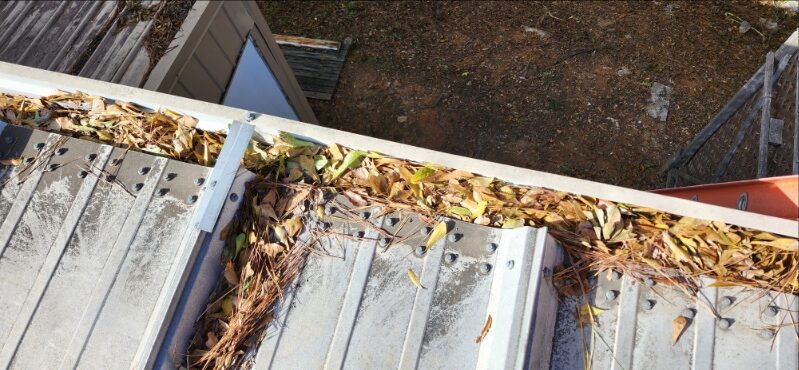
Fall brings an increase in leaves, branches, and other natural debris that can collect on a commercial roof. If that debris blocks drains, gutters, or other drainage paths, water may not be able to move off the roof as designed.
Before colder weather arrives, check the roof for accumulated debris and make sure drains, gutters, and downspouts are clear and functioning properly. Pay particular attention to areas where water tends to collect and locations where leaves or other materials can easily accumulate.
Facility managers should also visually check the roof after significant weather events. Summer and early fall storms can bring heavy rain, high winds, and hail that may leave behind damage or debris that isn’t immediately noticeable from the ground.
While routine visual checks are helpful, they shouldn’t replace a professional roof inspection. A roofing professional can identify drainage concerns, membrane damage, deteriorated flashings, and other deficiencies that may become more problematic as temperatures drop.
Keeping the roof clear and water moving properly is one of the simplest ways to reduce avoidable problems heading into winter.
Schedule a Professional Roof Inspection
Before winter conditions arrive, schedule a professional roof inspection to get a clearer understanding of your roofing system’s condition.
An inspection gives your roofing partner an opportunity to identify deficiencies, evaluate drainage, document areas of concern, and recommend repairs while weather conditions may still be favorable for certain types of roofing work.
Drainage should be an important part of a pre-winter inspection. Ponding water and clogged drainage systems can become especially problematic as temperatures drop. Standing water that freezes and thaws can place additional stress on roofing materials, while blocked drains can prevent water from moving off the roof as designed.
An inspection should also identify cracked or deteriorated sealants, damaged flashings, membrane deficiencies, and other areas where moisture could enter the roofing system. Temperature changes can cause roofing materials to expand and contract, potentially worsening existing deficiencies.
Addressing these conditions before temperatures drop is important because some roofing materials and repair products have temperature-related installation requirements.
The purpose of the inspection isn’t simply to create a list of everything that’s wrong with the roof. It should help you understand what needs attention now, what can wait, and what should be monitored.
Address Repairs Before Winter
An inspection is only valuable if the findings lead to action.
Before winter, review identified deficiencies and determine which require immediate repair, which should be monitored, and which should be incorporated into your upcoming maintenance plan.
Water intrusion is especially important to address. Moisture that enters a roofing system can affect insulation and other components beneath the membrane, and colder temperatures can make existing problems more difficult to manage.
Minor deficiencies can also become more difficult or expensive to address after continued moisture exposure, temperature changes, or winter weather.
The goal isn’t necessarily to repair everything at once.
It’s to understand what needs attention, how urgent it is, and what could happen if the repair is delayed.
That information allows facility teams to prioritize the work that matters most instead of waiting for a small roofing issue to become an emergency.
Track and Understand Your Roof’s History
Your roof’s history provides important context for seasonal planning.
Review previous inspections, repair records, leak history, warranty information, photographs, and service calls. If you’ve recently taken responsibility for a facility, gathering this information can also help fill in gaps about how the roof has been maintained in the past.
Look for patterns.
Are the same areas requiring repeated repairs? Are service calls becoming more frequent? Is the warranty approaching expiration? Have storms, rooftop contractors, or equipment installations affected certain areas of the roof?
A single repair may not indicate a larger problem, but a history of recurring issues can provide valuable insight into the roof’s overall performance.
Understanding what has happened in the past can help your roofing partner determine what deserves attention before winter—and what may need to be planned for beyond this season.
Prepare for Winter — and Plan for What’s Next
A fall roof inspection shouldn’t only help you prepare for the next few months. It can also provide valuable information for the year ahead.
If an inspection identifies recurring repairs, aging materials, drainage improvements, warranty concerns, or larger capital needs, document those findings and incorporate them into next year’s roofing plan and budget.
This is where seasonal maintenance can become much more valuable than simply checking another item off a facility maintenance list.
The goal isn’t only to get your roof through winter. It’s to use what you learn today to make better decisions about what the roof will need next.
Prepare Your Commercial Roof Before Winter Arrives
Fall provides an opportunity to address known issues before colder weather makes them more difficult—or more expensive—to manage.
Clear debris and drainage systems. Schedule an inspection. Address priority repairs. Review your roof’s history and warranty. And use what you learn to begin planning for the year ahead.
A little preparation now can provide greater visibility into your roofing needs and reduce the likelihood that your next roofing decision will have to be made under pressure.
Mid-South Roof Systems works with commercial property owners and facility managers to inspect, maintain, and manage roofing systems throughout the year. Our Service and Maintenance team can help address immediate concerns while also helping customers plan for the long-term needs of their roofing assets.
Don’t wait for winter weather to reveal a problem you could address today.
Request a commercial roof assessment and make sure your roof is ready for the season ahead.
LIKE WHAT YOU JUST READ?
Sign up for our newsletter to get fresh articles, updates and more!

Assess, Report and Decide: Get to Know Your New Building’s Roof
If you’re considering buying a new building, the very first item on your list should be to get an assessment of the roof’s condition. This analysis can prevent surprises down the line and—if the roof needs work—it can have a dramatic effect on the price you wind up paying for the building.

Why You Need A Roofer Onsite When You Install Your HVAC System
It’s common to place the heating, ventilating and air conditioning (HVAC) systems for large buildings on the roof. A successful rooftop HVAC installation usually involves the collaboration of an entire team of workers, so that issues related to the roof, structures, electrical and HVAC can be discussed beforehand. If an HVAC system is not coordinated…