Precautions Your Commercial Roofing Team Should Be Taking
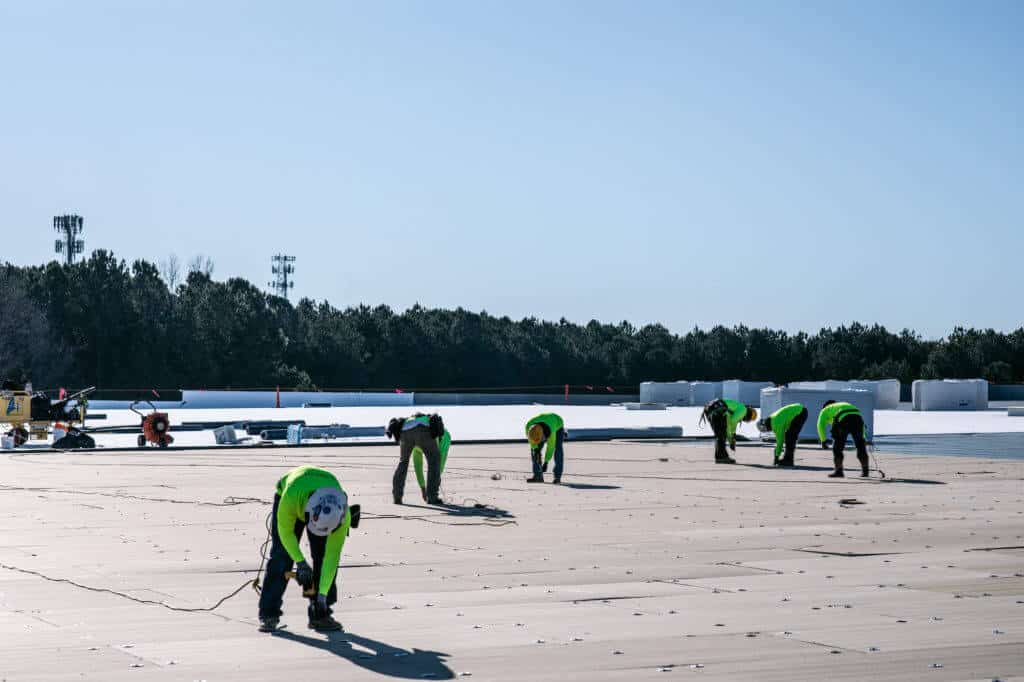
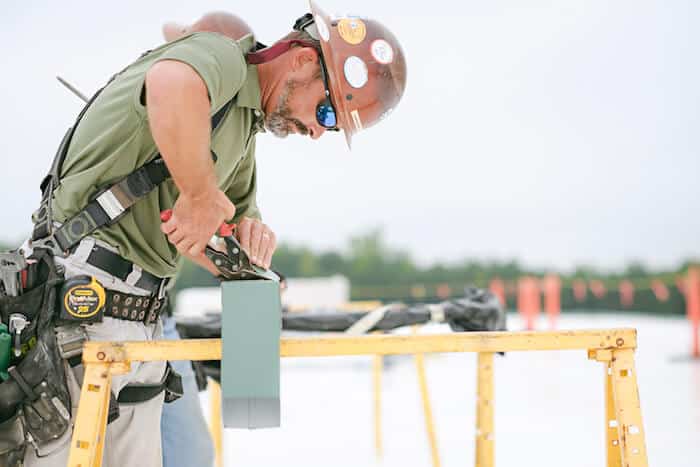
Selecting a commercial roofing company can be a challenge. With the Internet at your fingertips, it only takes a quick search to find a seemingly endless list of potential options to tackle your roof repair, maintenance, or installation. Not only are you choosing a company to contribute to the long-term integrity of your building, but you’re also trying to balance factors like budget and project timeline in the process. However, the most critical factor to analyze should be the safety standards of the commercial roofing company you’re considering.
Choosing To Re-Roof or Repair: 2 Case Studies Illustrate the Decision-Making Process
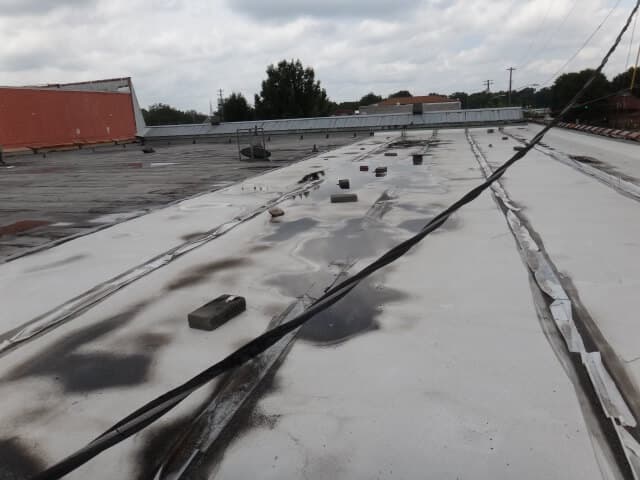
When a building owner discovers problems with a roof, it may not be immediately clear if the problem will require minimal repair work or a full-scale replacement. So how to differentiate between the two? Repairs often entail a smaller up-front expenditure, but, depending on the owner’s goals for the building, a full re-roof may provide…
Pitch Pans: Critical Maintenance Elements to Protect Your Portfolio
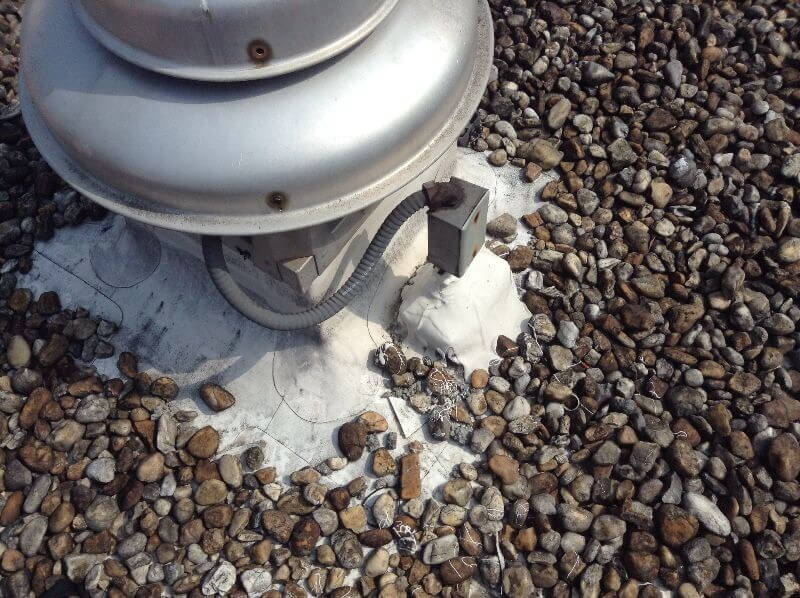
One of the simplest ways building owners can protect the integrity of their roof is to schedule maintenance on pitch pans. Pitch pans, which are found on many older style roofs, cover and protect irregular roof penetrations that are difficult to flash and seal. Though these are simple roofing elements, they play an important role…
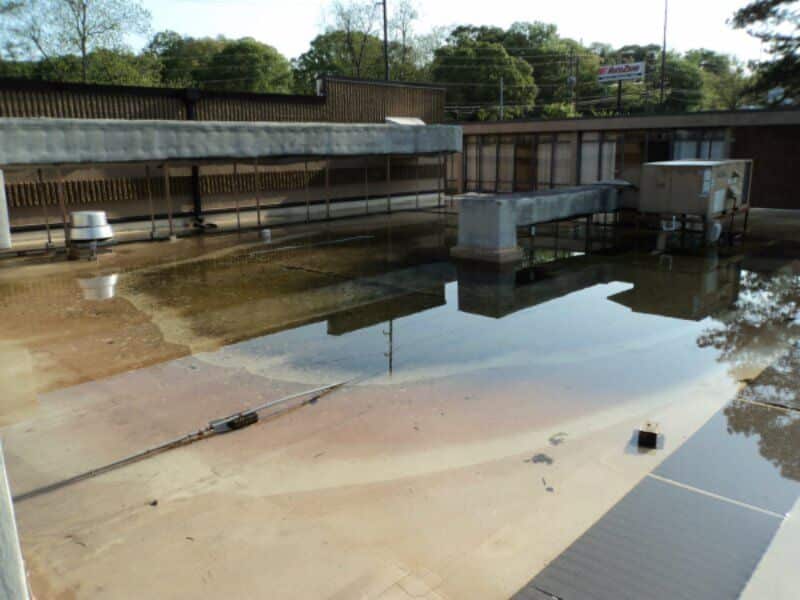
Ponding Water on a Roof: When Can it Damage Your Investment and How to Resolve Common Causes
Ponding water is one of the most common issues affecting commercial roofs—and a leading contributor to long-term damage and cost. Left untreated, it can accelerate roof aging, lead to expensive repairs, and reduce the overall value of your property. Knowing when ponding becomes a problem—and how to address it—is key to protecting your investment. Ponding…
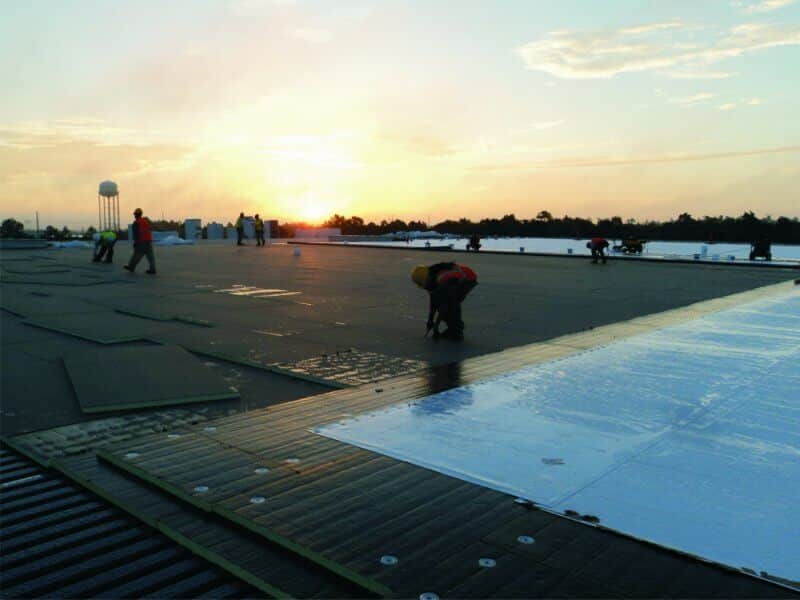
Assessing Risk: When to Opt for Insurance Against Wind Damage
Wind: it’s a serious threat that can destroy roofs and severely damage the properties in a building or infrastructure portfolio. Many building owners and facilities managers believe that a manufacturer’s warranty will cover most, if not all, wind damage. However, they should familiarize themselves with the details, clauses, and limitations of their warranties to avoid…
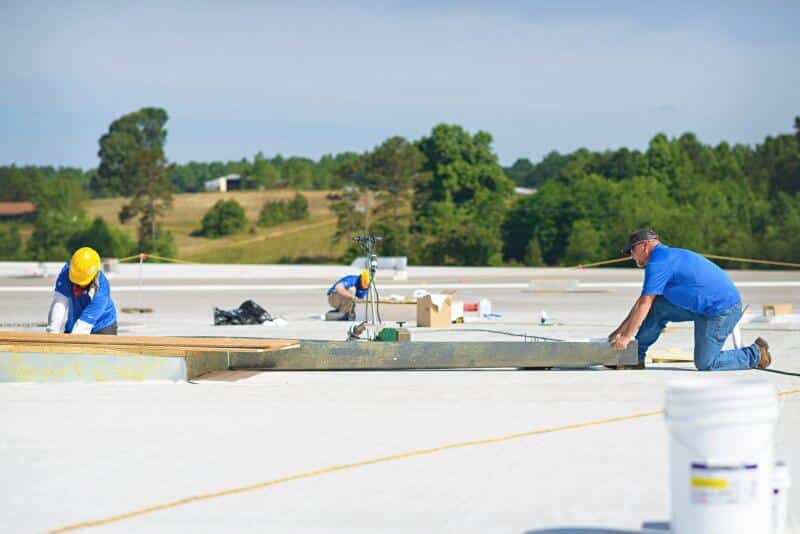
Defend Your Investment: 4 Membrane Considerations For Better Roofing ROI
When installing or updating the roof of a commercial building, owners and property managers must consider the roof’s membrane – and how it impacts their investment. The right choice in membrane – as well as the potential upgrades and additional materials – determine the difference between a resistant, long-lasting roof and one that costs thousands…

The 5 Most Common Causes of Roof Leaks
Most roof leaks are caused by one of five common factors: people, issues with seams, neglect, rooftop equipment, and weather. Prevention is of course better than repair. Once you get to know the main offenders, you can develop a strategy to avoid problems before they arise. People: It’s OK to walk on your roof. Roofs…
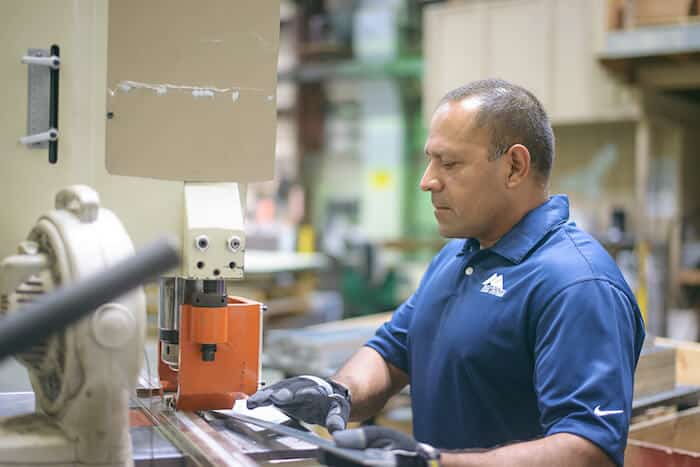
3 Ways In-House Sheet Metal Improves Construction Projects
Any roof contractor can put a roof on a building, but the job isn’t finished until the metal trim is installed. Typical contractors install the roof and then send the same team back on a later day to install the trim. But when a contractor runs their own sheet-metal shop, they have some serious advantages…
The 411 on ES-1
ES-1 is a pass/fail test, administered by the American National Standards Institute (ANSI), that challenges the integrity of different metals under the simulated stress of high winds and storms. It was put into place to achieve uniformity in edge-metal quality after Hurricane Hugo in 1989 and today it sets the wind design standard for edge…