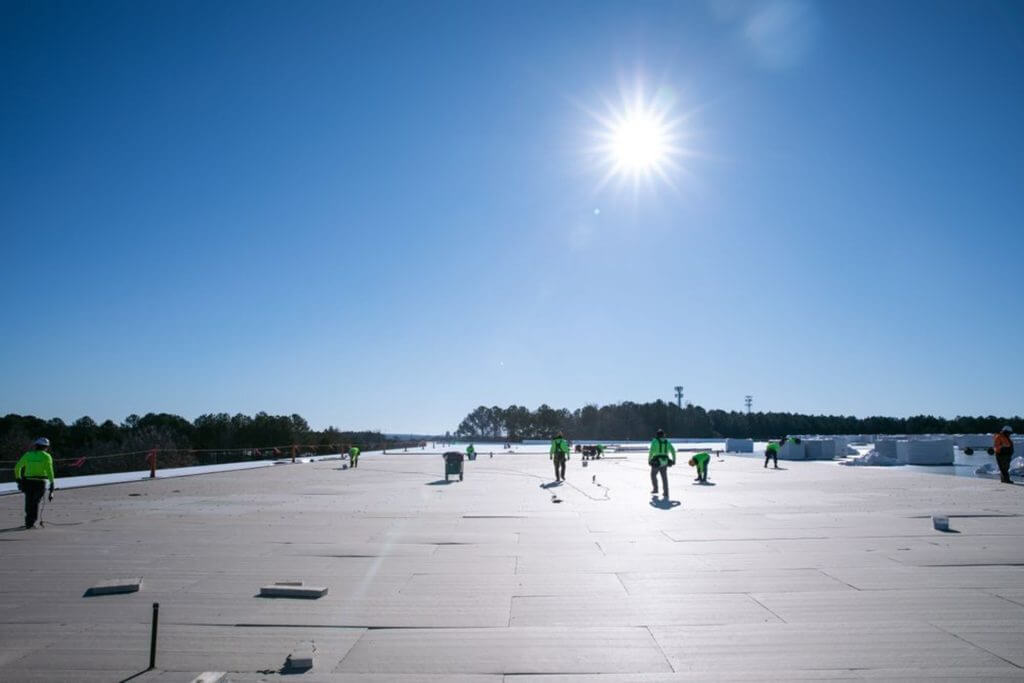
How Different Elements Can Impact Your Commercial Roof
Maintaining a commercial building is a major responsibility. The large surface area of a commercial roof is always exposed to the elements. The first step to protecting your roof from various, changing weather conditions is understanding how natural hazards in your geographic region can impact your roof.
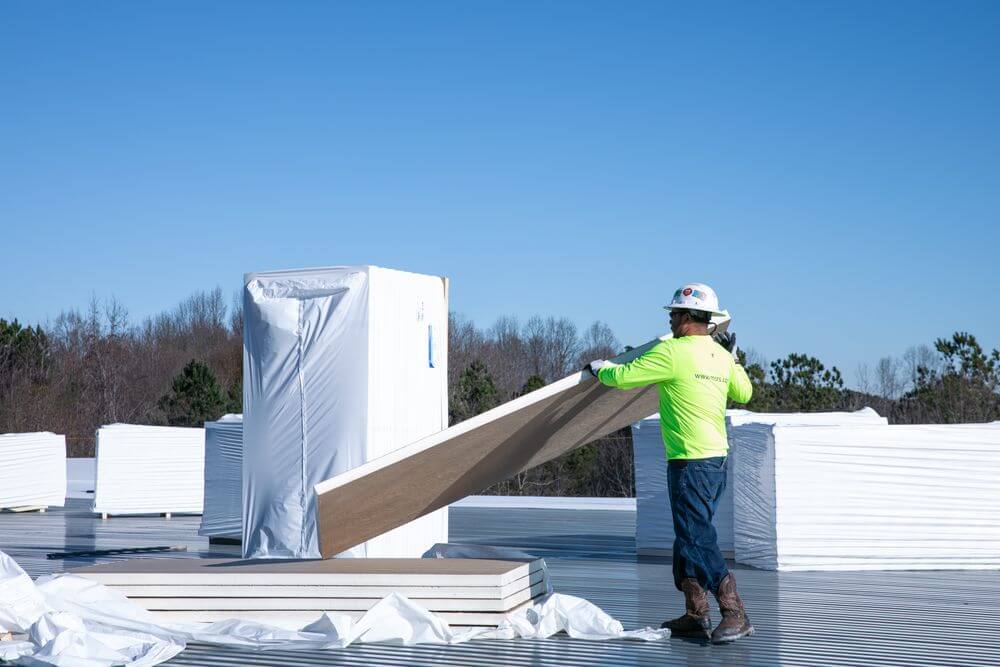
Five Considerations that Impact Your Roof’s Lifespan
Your roof has a predictable lifespan that depends on the material, installation quality, and geographic location of your building. However, there are additional factors that may impact the longevity of your roof. If you’re a building manager or owner, here are five considerations that will play a role in your roof’s lifespan.
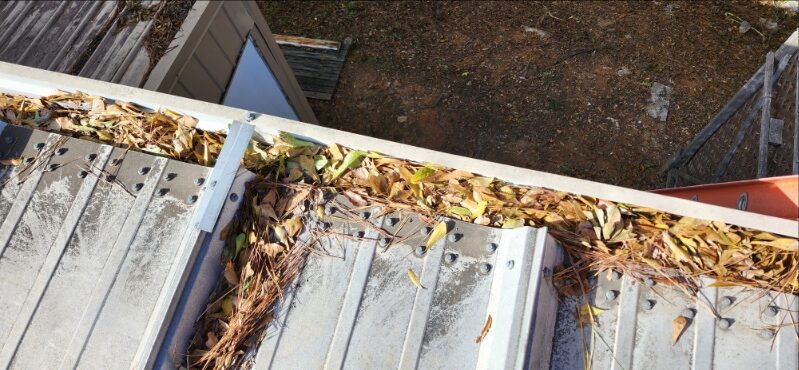
How to Prepare Your Commercial Roof for Fall & Winter
Fall is an important time to prepare your commercial roof for the months ahead. Learn how inspections, drainage, repairs, and proactive maintenance can help reduce unexpected problems.
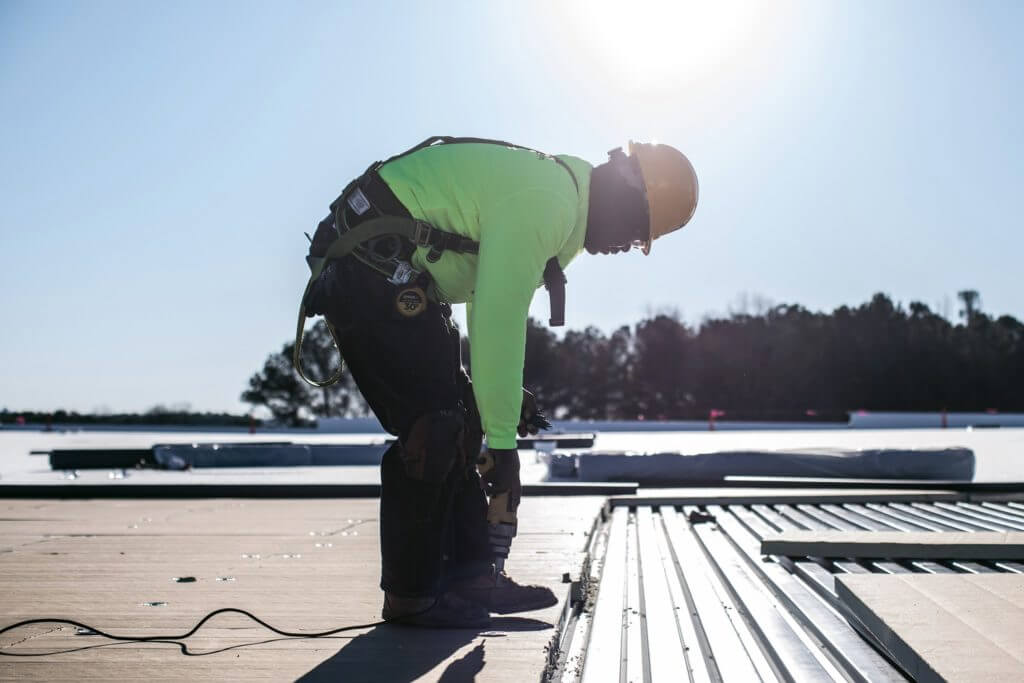
How the Summer Heat Can Impact Your Roof
Weather patterns, changes in temperature, and other factors all present unique challenges for your roof this time of year. It’s important to be aware of how these things can affect your roof’s overall lifecycle so you’re prepared to protect and maintain your roof through the season.
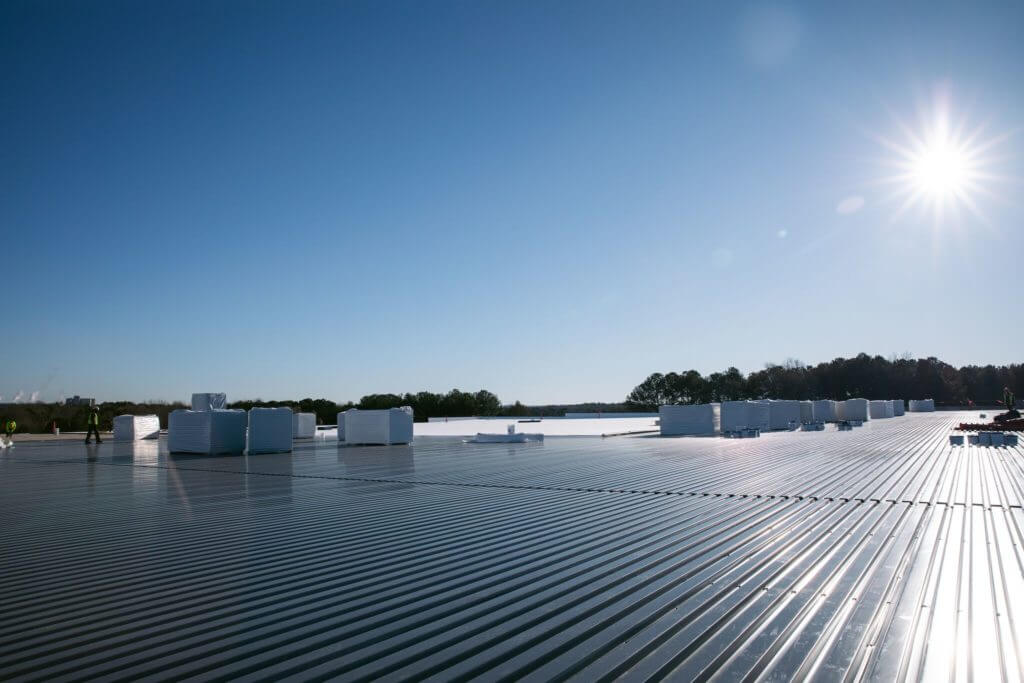
How to Prepare Your Roof for the Spring
With a new season comes a shift in weather patterns. This change can have a significant impact on your roof. Temperature changes put stress and strain on the seams of your roof membrane. During the spring and fall temperature cycles, expansion and contraction flex the membrane and sealants of your roof. As a result, these…
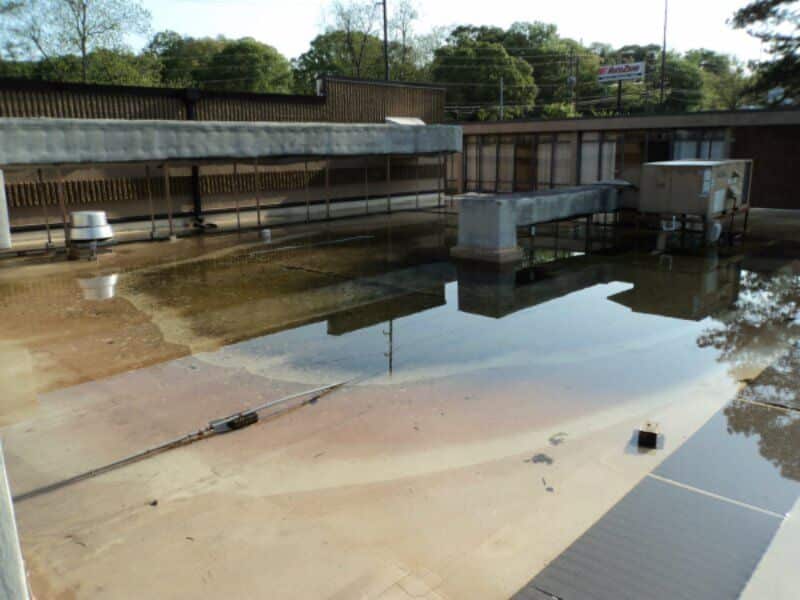
Ponding Water on a Roof: When Can it Damage Your Investment and How to Resolve Common Causes
Ponding water is one of the most common issues affecting commercial roofs—and a leading contributor to long-term damage and cost. Left untreated, it can accelerate roof aging, lead to expensive repairs, and reduce the overall value of your property. Knowing when ponding becomes a problem—and how to address it—is key to protecting your investment. Ponding…
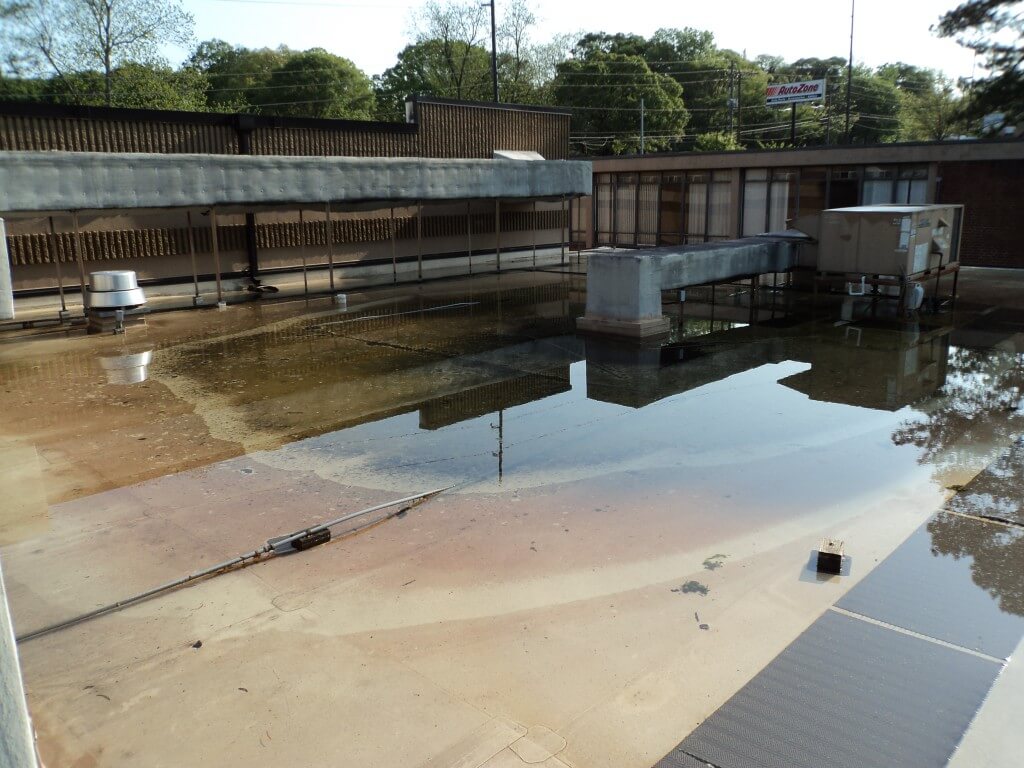
Hazards Up High: Protect Your Roof
The three most common threats facing a newly installed roof are punctures, cuts, and scratches. The reason for this has to do with the makeup of the roof itself. The Composition of a Roof Roofs are like the Earth—they have three distinct layers and they’re made mostly of salt water. OK, that last part isn’t…
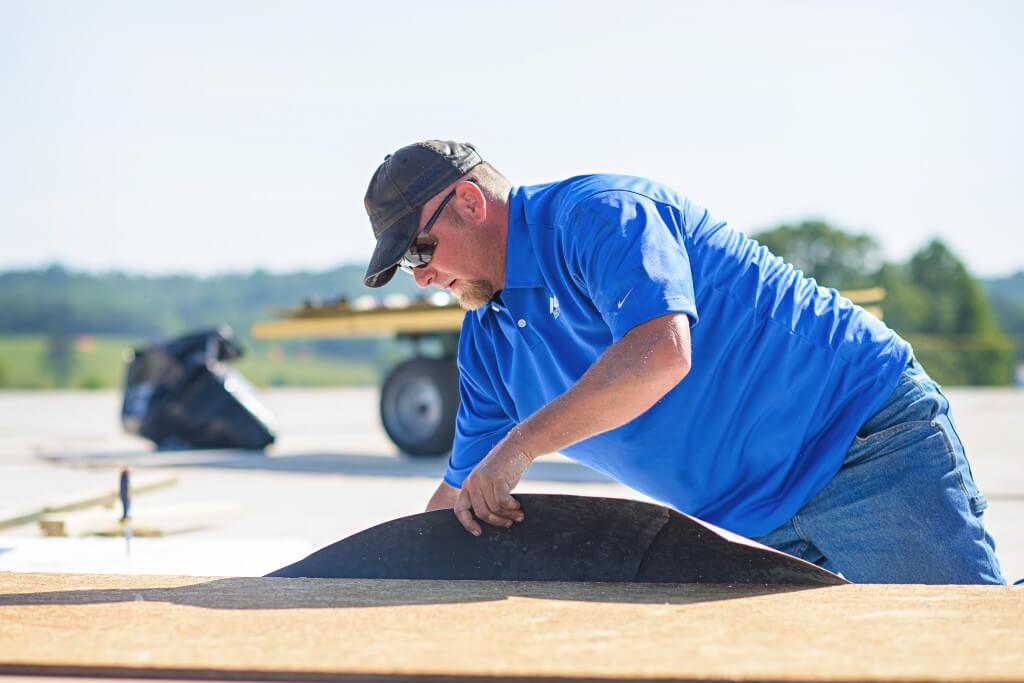
Walk Pads: Putting a Roof Over the Head of Your Roof
Even the heftiest among us aren’t going to damage a roof just by walking on it, but frequent impacts from sharp objects and heavy tools can and hurt commercial roofs. Manufacturing facilities—with their rooftop machines that require constant maintenance—are especially susceptible to rooftop wear and tear.
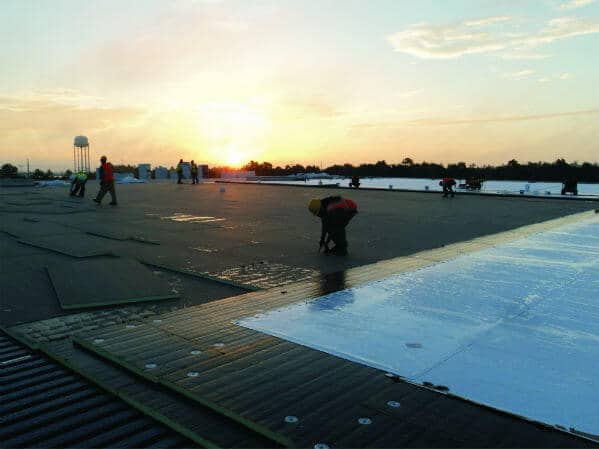
Here Comes the Sun: UV Light, Thickness, and Your Roof’s Lifespan
The lifespan of a building’s roof is determined largely by two factors—its thickness and its exposure to sunlight. Size Matters Single-ply roofs are mainly offered in three levels of thickness: 45 mils, 60 mils, and 80-90 mils. As a general rule, the thicker the roof, the longer it will last. This is true regardless of…
- « Previous
- 1
- 2
- 3
- Next »